
























+964 770 018 5648
spark@infinity-en.com
English flag
English
Select a Language
English flag
English
Arabic flag
Arabic
0
Categories
Pipeline Operations and Integrity Basics

Pipeline Operations and Integrity Basics

A practical course in plain language: name the main parts of a pipeline system and what each does.
0 Students
8 Lectures

What Will You Learn?

Explain the core principles and vocabulary of Pipeline Operations and Integrity Basics
Name the main parts of a pipeline system and what each does
Explain how pressure, flow and leak monitoring work
Describe the main threats to pipeline integrity
Respond to a suspected leak in the right order
Use worked examples and case studies to solve common workplace tasks

About This Course

Across four short modules (Pipeline Systems, Control and Monitoring, Integrity Management, Emergencies and Maintenance) this course builds a practical, plain-language understanding of pipeline operations and integrity basics. Every lesson ends with key points you can apply on site. The course suits operators, technicians, engineers and graduates entering the sector.

Requirements

No advanced prior knowledge is needed: an interest in the subject is enough
A computer, tablet or phone with an internet connection
Willingness to apply the lessons to your own workplace situations
Requirements

FAQ

Check the frequently asked questions about this course.

Who is this course for?
Pipeline Operations and Integrity Basics is designed for professionals, graduates and organisations who want structured, job-ready skills. No advanced background is needed beyond the requirements listed on this page.
Will I receive a certificate?
Yes. Participants who complete the course receive a SPARK Training Institute certificate of completion.
How is the course delivered?
The course is organised into four modules of short lessons that you can study at your own pace, with support from the SPARK team when you need it.
Can my organisation enrol a group?
Yes. Contact SPARK Training Institute through the Contact page to arrange group enrolment or an in-house programme for your team.
Spark Training Institute
214 Courses
0 Students
Spark Training Institute
Curriculum Overview

This course includes 4 modules, 8 lessons, and 3:50 hours of materials.

Pipeline Systems
2 Parts | 0:55 Hours
Components of a pipeline
Free

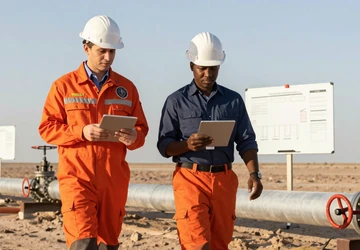
A pipeline is more than a long pipe. Pump or compressor stations add energy, block valves allow sections to be isolated, and launcher and receiver stations let cleaning and inspection tools travel inside. Terminals at each end receive and deliver the product.

Study Duration 25 Minutes
Attachments 0
Flow, pressure and hydraulics

Flow in a pipeline loses pressure to friction, and the longer the line, the more energy it needs. Every pipeline has a maximum allowable operating pressure that must never be exceeded. Operators control flow with pumps, valves and set-points while staying inside that limit.

Study Duration 30 Minutes
Attachments 0
Control and Monitoring
2 Parts | 1:00 Hours
SCADA and leak detection

A control room watches the whole line through a SCADA system that collects pressure, flow and valve data from the field. Leak detection software compares what enters the line with what leaves it and watches for pressure patterns that signal a loss. Alarms must be taken seriously, never silenced without investigation.

Study Duration 30 Minutes
Attachments 0
Pigging

A pig is a device pushed through a pipeline by the flow. Cleaning pigs remove wax and debris, while inspection pigs carry sensors that map metal loss and cracks. Opening a launcher or receiver releases the pressure and any trapped product, so it must follow a strict procedure.

Study Duration 30 Minutes
Attachments 0
Integrity Management
2 Parts | 1:00 Hours
Threats to pipelines

Most pipeline failures come from a small list of threats: corrosion inside and outside the pipe, damage from digging or machinery, cracks that grow under pressure cycling, manufacturing or construction defects, and ground movement such as landslides or floods. A good integrity plan looks at each in turn.

Study Duration 30 Minutes
Attachments 0
Corrosion control

External corrosion is controlled by two layers of defence: a coating on the steel and cathodic protection, which uses a small electrical current to stop the steel from corroding where the coating has a flaw. Inside the pipe, inhibitors and regular cleaning protect against corrosive fluids.

Study Duration 30 Minutes
Attachments 0
Emergencies and Maintenance
2 Parts | 0:55 Hours
Responding to a leak

When a leak is suspected, the order of action matters: protect people first, then stop the release, then contain and clean up. The control room isolates the section, field teams secure the area and emergency services are informed. Nobody approaches until the atmosphere has been checked.

Study Duration 30 Minutes
Attachments 0
Repairs and shutdown planning

Repairs are planned around risk. Small defects may be monitored; larger ones need a clamp, a sleeve or a replaced section. Work on a live line is a specialist job with strict controls. Shutdowns are planned so that supply is interrupted as little as possible.

Study Duration 25 Minutes
Attachments 0
Certificates
1 Parts
Course Certificate
Course Certificate
If you pass all the lessons in this course, you will receive this certificate.
Type Course Certificate
Reply to Comment
Comments Approval

Your comment will be visible after admin approval.

0
0 Reviews
Content Quality (0)
Instructor Skills (0)
Value for Money (0)
Support Quality (0)
Reply to Review
Submit Reply

Your reply to this review will be visible to all users.

Pipeline Operations and Integrity Basics
$440,000

This Course Includes

Official Certificate
Instructor Support

Course Specifications

Sections
4
Lessons
8
Capacity
Unlimited
Duration
3:50 Hours
Students
0
Created Date
4 Nov 2026
Updated Date
4 Nov 2026
Pipeline Operations and Integrity Basics
You are viewing
Pipeline Operations and Integrity Basics