

























Oil Production Operations: Wellhead to Export

Instructor
What Will You Learn?
About This Course
Requirements

FAQ
Check the frequently asked questions about this course.
Spark Training Institute

Curriculum Overview
This course includes 4 modules, 8 lessons, and 3:40 hours of materials.
Oil flows to the surface because the reservoir is at a higher pressure than the well. While that pressure lasts, the well flows naturally. As oil is produced the pressure falls, the flow weakens, and the operator has to help the well with artificial lift.
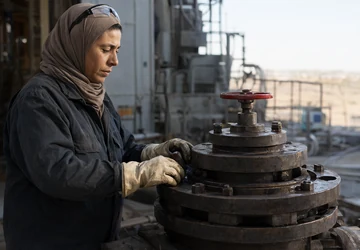
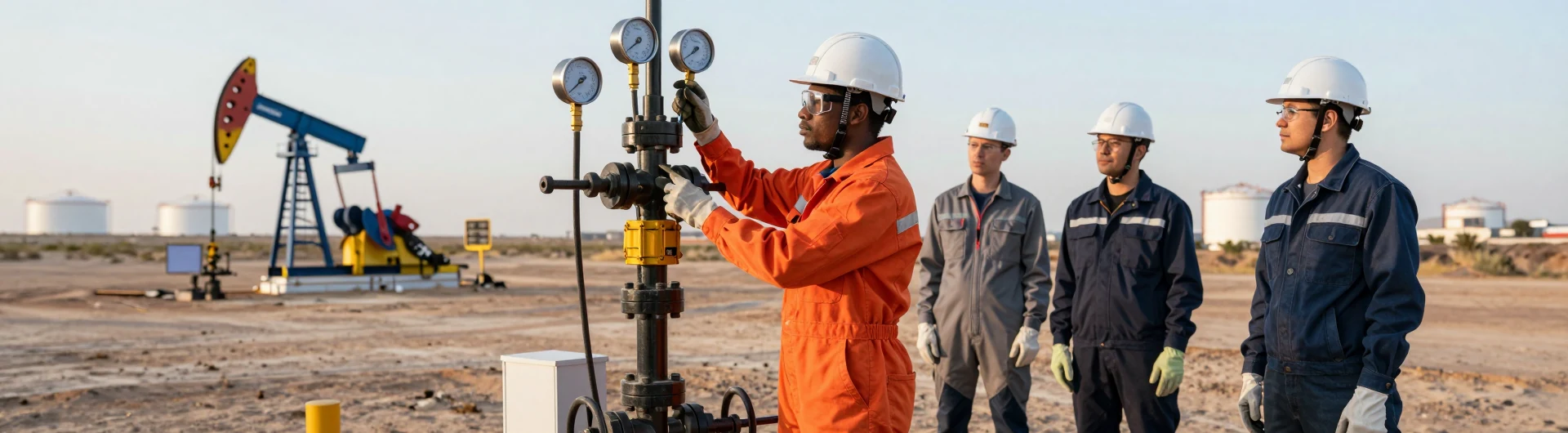
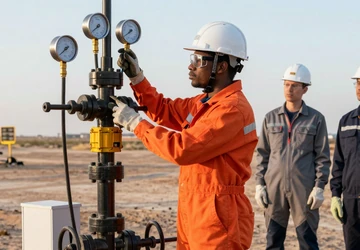
The wellhead holds the well's pressure and controls what leaves it. On top sits the Christmas tree: a stack of valves that lets operators open, throttle or shut the well. A choke sets the flow rate, and gauges show tubing and casing pressure.
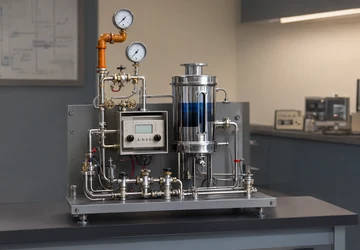
A separator is a pressure vessel that gives oil, gas and water time to part company. Gravity does the work: gas rises, water sinks and oil settles between them. Production is usually separated in stages at falling pressures so that more liquid is kept.
Even after separation, crude oil carries water in tiny droplets, and that water holds salt. Buyers set limits on both, because salt causes corrosion downstream. Heat, chemicals and an electric field help the droplets join together so they can settle out.
When a well can no longer flow by itself, energy has to be added. The common choices are rod pumps, electric submersible pumps, gas lift and progressive cavity pumps. The best choice depends on depth, rate, gas, sand and the power and skills available on site.
Treated oil is pumped to storage or an export line, and every barrel that crosses a company boundary is measured. This is custody transfer, and it affects real money, so meters are proved and checked regularly. A small error repeated every day becomes a large loss.
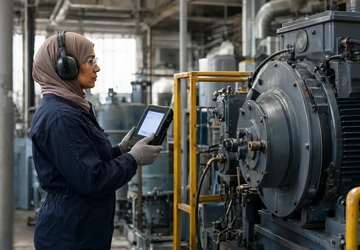
A good operator walks the plant with eyes, ears and nose. Rounds follow a route and a checklist, but the real value is noticing what does not look or sound right. A clear handover then passes that knowledge to the next shift so nothing is lost.
Plants trip. A power dip, a high level or a loss of pressure can start a shutdown, and the protection system is designed to leave the plant in a safe state. The dangerous moment is often the restart, when people are in a hurry and conditions are not yet normal.
Course Certificate
Course Specifications




Subscribe to Our Newsletter


Additional Links
Login Register Contact Certificate Validation Become Instructor About Terms and PoliciesPopular Categories
Health, Safety and Environment (HSE) Management and Leadership Business Administration Banking and Finance Drilling and Well Services Mechanical EngineeringContact US




Reply to Comment