



























Methane and Flaring Reduction for Operators

Instructor
What Will You Learn?
About This Course
Requirements

FAQ
Check the frequently asked questions about this course.
Spark Training Institute

Curriculum Overview
This course includes 4 modules, 8 lessons, and 3:40 hours of materials.
Methane is the main component of natural gas and a powerful greenhouse gas. Over twenty years it traps around eighty times more heat than the same amount of CO2, although it leaves the air within about a decade. Cutting methane therefore brings fast climate benefit, and every molecule saved is also gas that can be sold.
Methane escapes from oil and gas sites in four main ways: planned venting, unburned gas from flares and engines, leaks from valves and flanges, and large unplanned releases. Many sites have a few big sources that account for most of the total, so finding them first gives the biggest return.
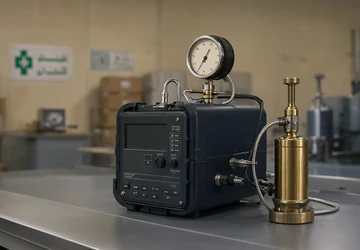
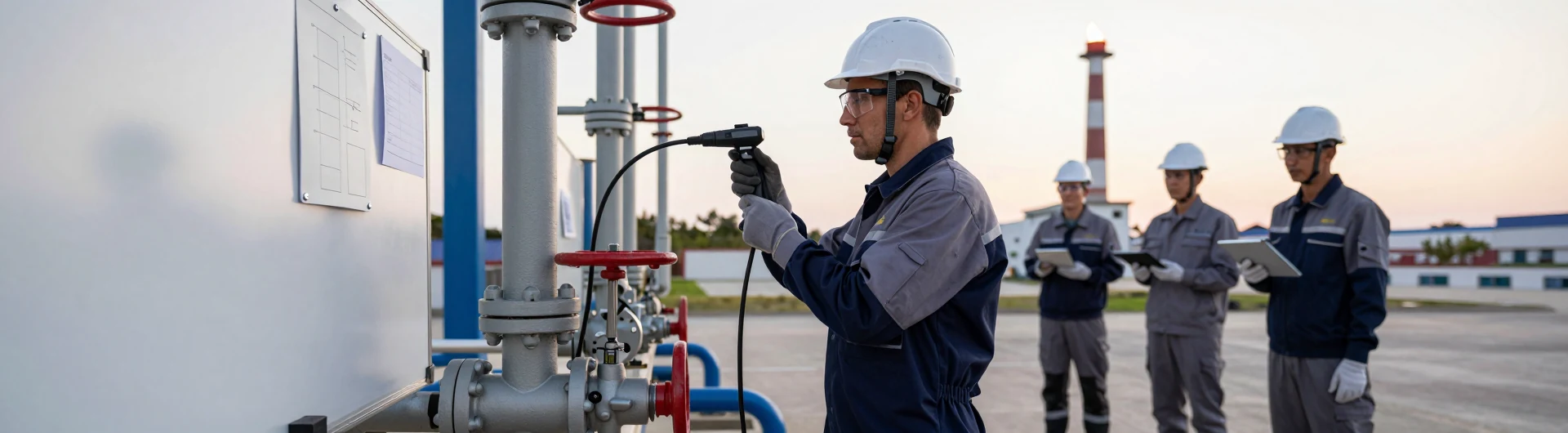
Methane is invisible and odourless, so special tools are needed. Optical gas imaging cameras make leaks visible, handheld sensors pinpoint them, and drones, aircraft and satellites survey whole fields quickly. Most programmes combine a fast wide survey with close-up follow-up to locate and fix each leak.
Reports are only as good as the data. Estimates built from equipment counts and standard factors are a starting point, but measurements at site level show the true picture. Good inventories state their method and uncertainty clearly, so that progress can be tracked from year to year.
A flare burns gas that cannot be used so that it leaves as CO2 and water instead of methane. A well-run flare destroys the vast majority of the gas, but strong wind, too little or too much gas, and poor steam or air assist can leave part of it unburned. A flame that is out is simply venting.
Routine flaring usually means that gas has no outlet. The answer is to give it one: connect it to a gas pipeline, use it for power or heating on site, compress it for sale, or inject it back into the reservoir. Each option has a cost, so the choice is made site by site.
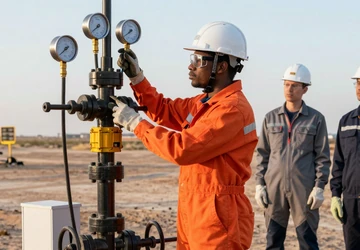
A leak detection and repair programme sets how often each type of site is surveyed, how quickly a found leak must be fixed, and how repairs are verified. Frequent surveys find leaks while they are still small. A clear repair deadline stops findings from sitting on a list.
Technology helps, but people make the difference. Operators who know that methane is both a climate issue and lost product are more likely to report a hiss or a smell. Clear targets, shared results and recognition for good catches build a habit of care.
Course Certificate
Course Specifications




Subscribe to Our Newsletter


Additional Links
Login Register Contact Certificate Validation Become Instructor About Terms and PoliciesPopular Categories
Health, Safety and Environment (HSE) Management and Leadership Business Administration Banking and Finance Drilling and Well Services Mechanical EngineeringContact US




Reply to Comment