

























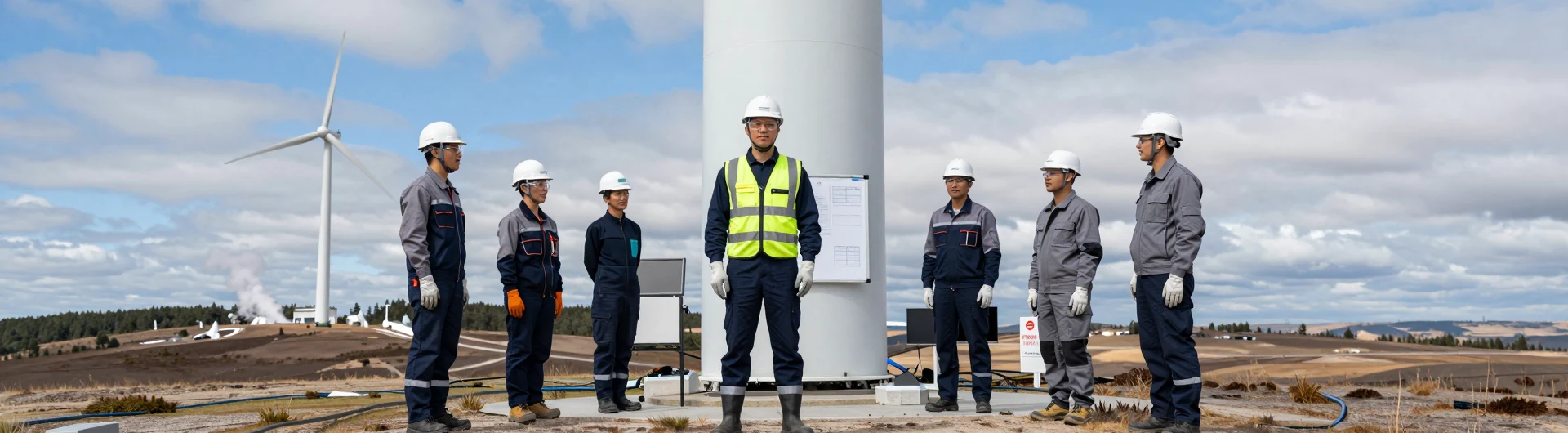
Geothermal and Wind Energy Fundamentals

Instructor
What Will You Learn?
About This Course
Requirements

FAQ
Check the frequently asked questions about this course.
Spark Training Institute

Curriculum Overview
This course includes 4 modules, 8 lessons, and 3:35 hours of materials.
The ground gets hotter with depth, by roughly 25 to 30 degrees Celsius for every kilometre in many places. In some regions, hot rock and water lie close enough to the surface to be used. Geothermal energy is steady day and night, which is an advantage over sources that depend on weather.
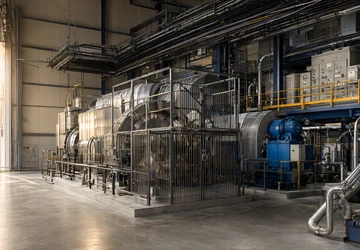
Very hot resources can drive turbines directly or through a second fluid in a binary plant. Lower-temperature resources are used directly for heating buildings, greenhouses, drying crops and industrial processes. Using the heat twice, first for power and then for heating, makes the best use of the resource.
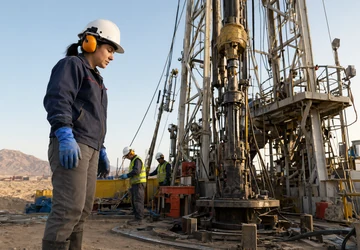
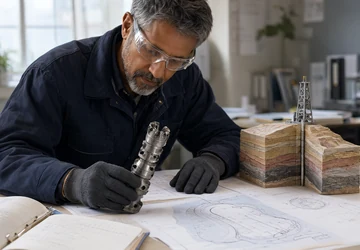
Geothermal wells are drilled with the same rigs and methods as oil and gas wells, but in harder, hotter rock. Drilling is a large part of project cost, so experience in well planning, directional drilling, cementing and well control transfers directly. High temperatures call for special cement, tools and elastomers.
A geothermal reservoir is kept alive by returning cooled water to the ground, so that pressure and heat last. Hot water also carries dissolved minerals that can form scale in wells and pipes as it cools. Monitoring flow, temperature and chemistry shows when to treat or clean.
Wind turns the blades, the blades turn a generator, and the generator produces electricity. The power in the wind rises with the cube of its speed, so a small increase in speed gives a large increase in power. No turbine can capture all of it: the theoretical limit is about 59 percent.
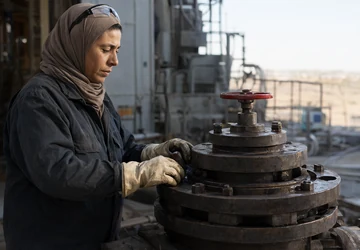
Onshore wind is the cheaper and simpler option and can be built quickly where the resource is good. Offshore wind has stronger, steadier winds and larger turbines, but needs foundations, subsea cables and specialist vessels. Many skills from offshore oil and gas, such as marine logistics and lifting, apply here.
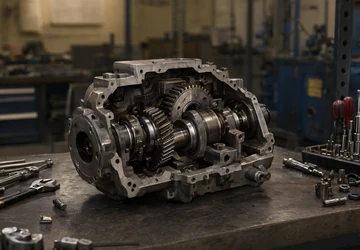
Renewable assets run for decades, so planned maintenance and condition monitoring protect their output. Gearboxes, bearings, blades and electrical systems are watched through vibration, temperature and oil analysis. Scheduling work in calm or low-demand periods keeps lost generation to a minimum.
Wind output rises and falls with the weather, while geothermal output is steady. Grid operators balance the two with forecasts, flexible plants, storage and links to neighbouring grids. A project needs a grid connection that can accept its output reliably and meet the grid's technical rules.
Course Certificate
Course Specifications




Subscribe to Our Newsletter


Additional Links
Login Register Contact Certificate Validation Become Instructor About Terms and PoliciesPopular Categories
Health, Safety and Environment (HSE) Management and Leadership Business Administration Banking and Finance Drilling and Well Services Mechanical EngineeringContact US




Reply to Comment